How Fibreglass Pools Improve Property Value
A quality fibreglass pool can add roughly $100,000 to $200,000 to a Sydney property's resale value through smart design integration, low maintenance, lifetime warranties, fast installation, and complete compliance paperwork that gives buyers confidence at inspection.
Key Takeaways
- A quality fibreglass pool can add roughly $100,000 to $200,000 to a Sydney property in high-demand suburbs, particularly when the build is well integrated with decking, paving and the rest of the backyard.
- Buyers respond to the same features that make fibreglass appealing day to day: fast install times, lifetime warranties, low maintenance, safety features like a non-slip finish, and a clean, polished pool area.
- A well-documented pool sells more easily. Council approvals, AS1926 fencing certification and final compliance paperwork all stay with the property at resale.
- Fibreglass shells suit Sydney's clay, sandstone, sloping and coastal sites, which means the value uplift holds across most suburbs and block types.
Why Pools Matter for Property Value in Sydney
A backyard pool has shifted from a luxury to a baseline expectation in plenty of Sydney suburbs. Family-focused areas like Mosman, Hunters Hill, Baulkham Hills, Cronulla and Castle Hill all see pools listed as a headline feature on premium homes. Buyers in these suburbs often filter listings specifically for pools, and homes without one can sit on the market longer or compete on price rather than features.
The reason is simple. Sydney summers run hot for months at a time, family life moves outdoors, and a backyard built around water gets used. Sydney homeowners see a pool as part of the lifestyle they are paying for, not an optional extra. The right new pool, in the right outdoor space, becomes a genuine point of difference in a competitive market.
How Much Value Can a Fibreglass Pool Actually Add?
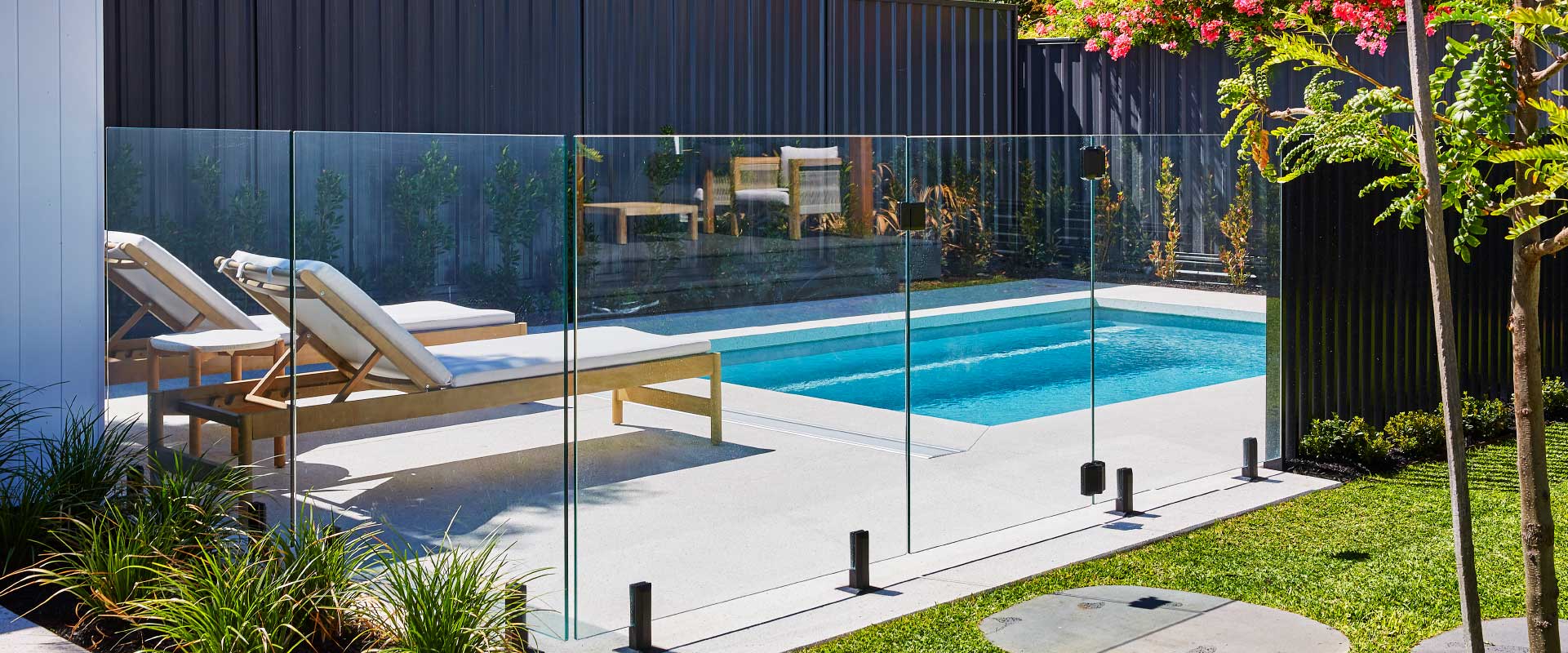
For most quality fibreglass swimming pools in the right Sydney suburb, the resale uplift sits between $100,000 and $200,000. The exact figure depends on three things: the suburb, the size and design of the pool, and how well it integrates with the rest of the property. A well-placed family fibreglass swimming pool in a premium school catchment will add more than the same shell dropped into a backyard with no surrounding works.
A few factors that push the number up:
- Pool sits naturally with the home, with coping, paving and landscaping that finish the space rather than leaving the pool shell looking dropped in.
- The shell suits the household: a plunge pool or family entertainer in a young-family suburb, or a 10 to 12 metre lap pool in an area with active downsizers.
- Build quality is visible, with neat coping lines, level shell, and no obvious signs of cost-cutting around fittings, lighting or filtration.
- Documentation is complete, with council approvals, fencing certification and warranties handed over cleanly at settlement.
Why Fibreglass Outperforms Other Pool Types at Resale
Buyers in 2026 are well informed. They read up on running costs, maintenance and pool lifespan before an inspection, and they bring questions to the open house. Fibreglass pools answer most of those questions favourably, which is part of why they have become such a popular, cost-effective choice for Sydney backyards.
Build Quality Is Visible from Day One
A fibreglass shell arrives pre-manufactured in a controlled factory setting, then gets craned in as a single, sealed unit. There are no rendered walls to crack, no tile lines to drift, and no paint or plaster finishes to fade. The gel-coat surface is engineered to resist chemical wear, UV damage and minor shifting in the surrounding soil, all of which keeps the pool looking consistent years down the track. That visual consistency is the first thing a buyer notices when they walk over to the edge.
Running Costs Stay Low
A buyer doing the maths on a 20-year ownership window will pay close attention to ongoing costs. Fibreglass interiors are non-porous, so chemical use stays lower, algae has nowhere to grip, and there is no decade-on resurfacing bill the way there can be with concrete pools.
Fibreglass also holds heat better than concrete, which reduces heating costs over the swim season and makes the pool more comfortable to use through spring and autumn. For families weighing up a $1.8m vs $2m purchase, a lower-running pool quietly tips the decision.
Install Time Doesn't Scare New Owners
Some buyers want a pool, but only if the build does not turn the back third of the property into a worksite for six months. Most fibreglass pool installation projects can have the shell craned in and the structural work wrapped up in as little as 7 to 10 days once approvals are in place, with the full project from excavation to water typically running 3 to 6 weeks. When a property already has a fibreglass pool in place, that fast-build reputation becomes part of the perceived value: it reads as a sensible, low-fuss decision rather than a long-running project.
Safety Features That Reassure Buyers
Safety features that come built into the shell quietly do a lot of selling at an inspection. The non-slip finish on entry steps gives kids and pets reliable grip, internal edges are rounded with no sharp corners, and the floor steps down gradually into the deeper zones rather than dropping away abruptly. Buyers with younger children pick up on this quickly, and it removes a question they would otherwise raise.
Warranties Carry Across
Quality fibreglass pools come with a lifetime structural warranty and a lifetime interior surface guarantee when properly installed. Those warranties can transfer to a new owner with the right paperwork, which gives buyers genuine peace of mind. Walking into an inspection with a documented lifetime guarantee in hand is a real selling point in a market where buyers are nervous about hidden defects.
The Features Buyers Actually Notice
Most buyers will not ask about manufacturing tolerances or interior gel-coat thickness. They will, however, react to a handful of practical features that signal the whole process has been done properly.
Finish and Integration
A pool that flows into the backyard looks like part of the house. Coping, paving, turf and lighting that work together pull the buyer's eye through the pool area rather than stopping it at the edge. Even a modest fibreglass shell can read as premium when it is well integrated.
Shape and Size That Suit the Block
A pool that fits the proportions of the yard sells better than a pool that crowds the yard. For a 600 square metre family block in the Hills District, a 7 or 8 metre family entertainer often hits the sweet spot. For a long, narrow inner-west block, a 10 metre lap-style fibreglass pool with a slim 3.3m width usually works harder. Sydney Poolscapes installs an extensive pool range across plunge pools, family pools, lap pools and wider entertainer pool designs, so the shell can be matched properly to the block rather than the block being squeezed into the wrong shell.
A Real Deep End
Pools that only reach 1.2 metres at the deepest point feel shallow at an inspection, especially to buyers with teenage kids or adult swimmers. Our larger fibreglass pool designs reach down to around 2.1 metres at the deep end, which gives a pool that reads as a genuine swimming environment rather than a wading area.
Modern Equipment
Variable-speed pumps, LED lighting, salt-water chlorination and pool blankets all show up in inspection conversations. Buyers know they cut running costs, and a pool fitted out with current-generation equipment quietly signals that the property has been looked after.
What a Fibreglass Pool Project Looks Like in Sydney
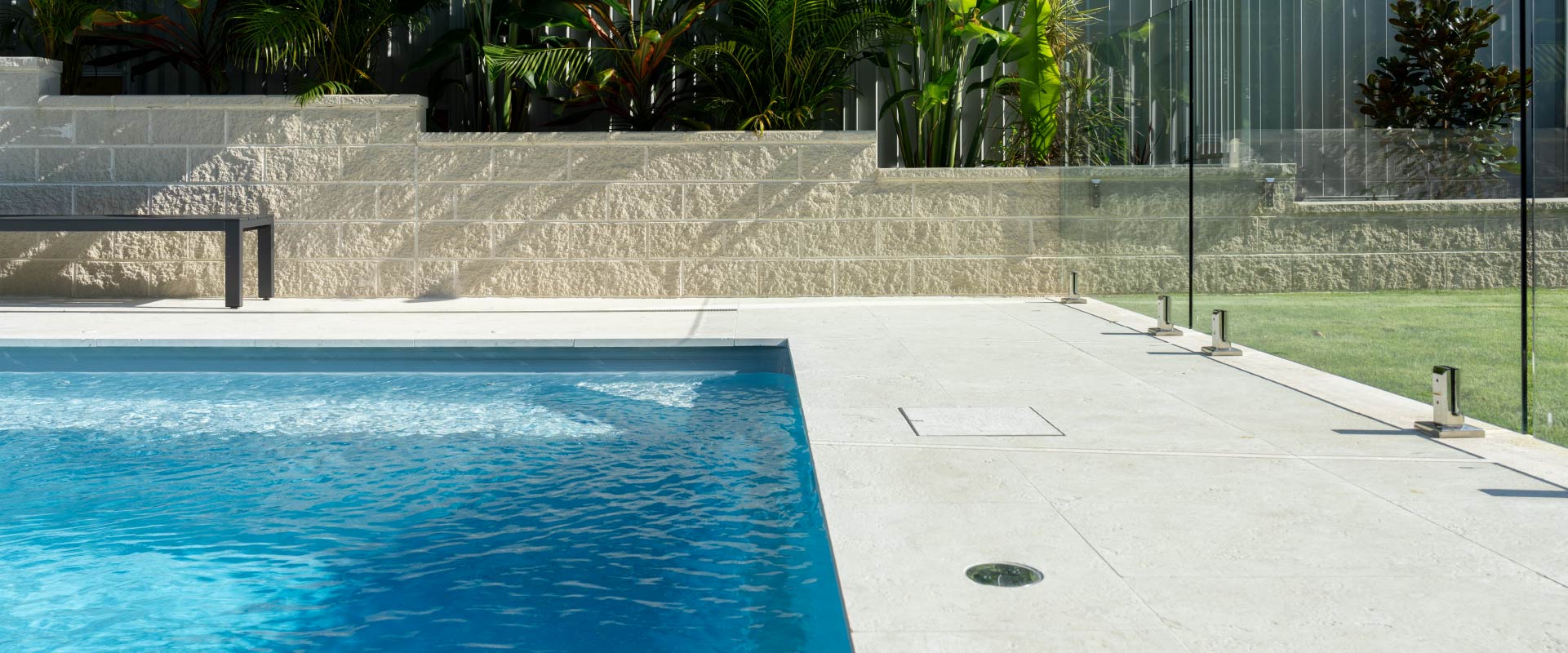
For buyers and sellers alike, understanding how the pool went in helps them understand what they are looking at. A typical Sydney fibreglass pool project moves through three clear stages.
Approvals and Site Setup
Every Sydney pool project needs either a Complying Development Certificate (CDC) or a full Development Application (DA), depending on the site. Any pool holding 40,000 litres or more of water also needs a BASIX Certificate, which enforces water and energy efficiency standards. Our team handles the lodgement and walks Sydney homeowners through what their local council will check, so the paperwork side stays stress free.
Pool Excavation and Shell Placement
Once approvals are in place, pool excavation starts. The dig is shaped to suit the chosen shell, and the base is graded and stabilised before delivery day. The fibreglass shell is then craned in and levelled in a single visit, which is the biggest milestone of the build.
Plumbing, Filtration and Handover
Plumbing, filtration, lighting and any heating are then run in, followed by the concrete surround that anchors the shell. From the moment the shell goes in, most projects are swim-ready within 7 to 10 days, weather and coping works depending. Buyers can read the whole process in the documentation pack at resale, which avoids any guesswork about what sits in the ground.
Realistic Pool Costs for Sydney Homeowners
Pool costs vary across Sydney, but a clear, transparent quote helps both you and any future buyer. A small plunge pool can start from around $30,000, while most family fibreglass pool projects in Sydney land between $55,000 and $80,000. Larger pool and spa combinations or pools on tight, high-access sites can climb past $100,000.
Factors that move the price include:
- Pool size and design from the available range, including plunge pools, family pools, lap pools and statement entertainer shapes.
- Ground conditions: clay, sandstone or sandy soils all change the pool excavation work needed.
- Site access for the crane and excavation crew.
- Add-ons like an integrated pool spa, heating, premium lighting or extra colour options on the interior finish.
Asking for an itemised quote upfront is the simplest way to keep pool finance decisions clean and predictable.
Maintaining a Fibreglass Pool to Hold Its Value
One of the reasons fibreglass swimming pools resell well is that they are genuinely low maintenance. The smooth, non-porous interior surface resists algae and staining, which means fewer chemicals and less elbow grease than a concrete pool of the same size.
That said, a few habits keep all our pools looking like they did on handover day:
- Test the water weekly and adjust pH and chlorine to keep the chemistry stable.
- Brush the walls and floor every couple of weeks and vacuum or run a robotic cleaner regularly.
- Keep the filtration system running long enough each day to turn the water over properly.
- Use a periodic chlorine shock treatment to keep the water clear after heavy rain or pool parties.
The good news for resale is that this routine takes a fraction of the time a concrete pool would, which makes the pool feel like an asset to the next owner rather than a chore.
Compliance, Approvals and the Paperwork Buyers Want to See
A pool with full documentation moves faster at resale. In NSW, every pool must be registered, fenced to AS1926 standards with a minimum fence height of 1.2 metres above finished ground level, and inspected before sale. If any of that paperwork is missing or out of date, the buyer's conveyancer raises it, and the conversation gets uncomfortable.
A few things to keep on file from the day the pool is handed over:
- The Complying Development Certificate (CDC) or Development Application (DA) approval used to build the pool.
- NSW Swimming Pool Register certificate.
- BASIX Certificate, where the pool volume triggers it.
- Compliance certificate for the pool fencing, issued in line with AS1926.
- Warranty documentation for both the shell and the interior surface.
- Service and maintenance records, particularly if the pool is more than five years old at the point of sale.
At Sydney Poolscapes, the approvals side is part of the install. We lodge the CDC or DA paperwork on the customer's behalf, walk them through what the local council will check, and hand over a clear documentation pack at completion. Years later, when the property changes hands, that pack is what makes the pool an asset rather than a question mark on the contract.
Why Sydney Poolscapes Pools Tend to Hold Their Value
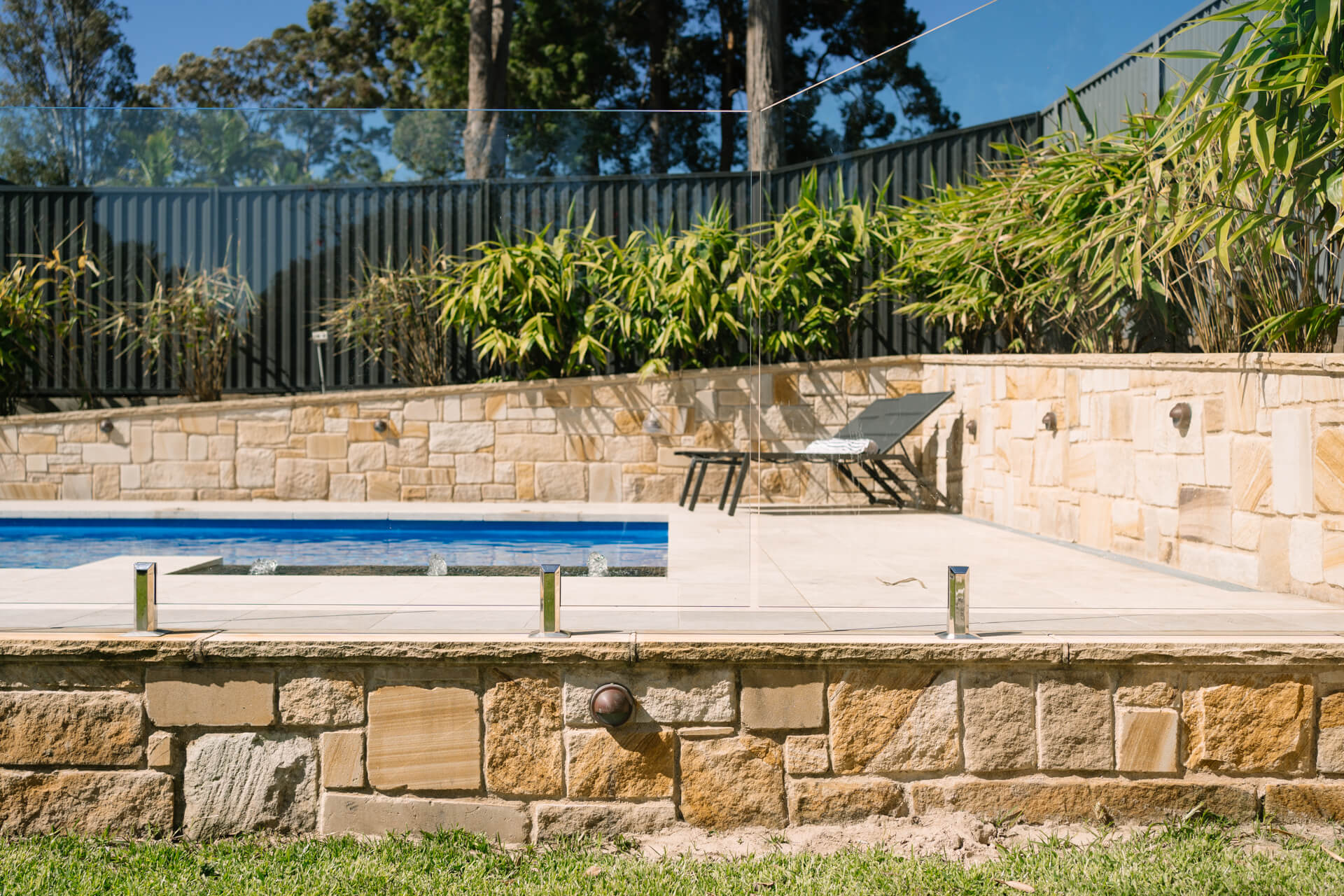
We have spent more than 15 years installing fibreglass pools across Sydney, from the Northern Beaches through to the Inner West, Sydney South and the Hills District. Over that time, the pools that have aged best, both visually and in resale terms, share a few traits.
The Right Shell for the Block
Because we work with one of the largest fibreglass pool collections in NSW, we can match a design properly to the property. A shell that is too big crowds the yard. A shell that is too small leaves the backyard feeling underdone. The right fit is the one that sells well a decade later.
A Build That Is Done Once, Properly
Our installs are run by a hands-on, family-owned, award winning team that stays involved from the initial consultation through to handover. The shells we use carry a 5-Tick Standards Mark for design and construction, which is a certification only a handful of pool manufacturers in Australia hold. That underlying build quality is what keeps the pool looking right at a resale inspection 10 or 15 years on.
Service That Stands Behind the Pool
A lifetime warranty matters more when the installer is still around to honour it. The same great team that handed the pool over also services pools across Sydney long after handover, which means buyers can pick up the phone with confidence after the property changes hands.
Planning a Pool With Resale in Mind
If you are weighing up a fibreglass pool with one eye on the future sale of the property, a few practical decisions move the needle most:
- Pick a design that suits the home and the suburb, not just personal preference. A premium home benefits from a shell that matches the scale of the property.
- Plan the surrounds at the same time as the pool. Decking, paving and landscaping done in a single sweep usually present better than works added piecemeal over five years.
- Stick to a layout that respects the rest of the backyard. Leaving room for lawn, an entertaining area and clear sightlines from the home tends to outperform a pool that fills the entire yard.
- Keep your documentation tidy from day one. Warranty certificates, council approvals and the pool register listing are far easier to keep current than to recover later.
A fibreglass pool from Sydney Poolscapes is built to be lived with for decades, and to still present well when the property eventually changes hands. From the Northern Beaches and the Inner West through to South Sydney, we have helped Sydney homeowners turn an empty backyard into a dream backyard without the stress that often comes with a pool project. If you would like to talk through the shells in our range that would work for your block, and what they might mean for the long-term value of your home, give our team a call on 1300 112 488 to book in an obligation-free site consultation.
Fibreglass Pools Sydney FAQs
Does the colour of the pool interior affect resale value?
Mid-tone blues and greens tend to be the safest choices when resale is on the table. They photograph well, sit naturally with most landscaping, and don't date in the way that very pale or very dark interiors sometimes can. Darker shells look striking in marketing photos but absorb more heat in full Sydney sun, which is worth flagging at an inspection if a buyer asks about running costs.
How much does pool placement on the block affect valuation?
Placement makes a real difference. A pool that's visible from the main living areas of the home generally values better than one tucked away at the back boundary, because buyers register it as part of the indoor-outdoor flow rather than a separate feature. Sightlines from the kitchen and main living room matter most, followed by access from the entertaining zone.
Is a heated pool a stronger selling point in Sydney than an unheated one?
It can be, but only when the heating is current-generation and economical to run. Heat pumps and solar systems read well to buyers because they extend the swim season into spring and autumn without a heavy power bill. Older gas heaters are sometimes flagged as an ongoing cost concern, so if a buyer asks, having recent energy data on hand helps.
Will installing a pool affect my council rates?
A pool can slightly lift the unimproved capital value used in some council rates calculations, but the effect is usually modest. The more meaningful budget items to plan for are the annual pool registration, the pool inspection cycle, and your home insurance premium. Most owners find the lifestyle and resale value comfortably outweighs the small uplift in ongoing rates.
Do pool blankets or covers add to resale value?
Pool blankets don't add headline value on their own, but they do tick boxes at an inspection. A blanket signals that the previous owner cared about water conservation, chemical balance and heat retention, all of which buyers read as good ownership habits. They're also easy to throw in at settlement, which can sweeten an offer.
How far ahead of selling should the pool be installed for the best return?
If you're putting a pool in primarily for resale, give the build at least 12 to 18 months before listing. That window lets the landscaping mature, gives any settling around the coping time to bed in, and means the surrounding paving and lawn look established rather than freshly laid. Pools installed in the last few weeks before a sale can still help, but they tend to read as a renovation tactic rather than a settled feature.


