Why Is A Fibreglass Pool The Perfect Investment?
Concrete or Fibreglass Pool: Which is Right for You? Wondering whether a concrete or fibreglass pool is right for you? This article compares the two types of pools, so you can make an informed decision.
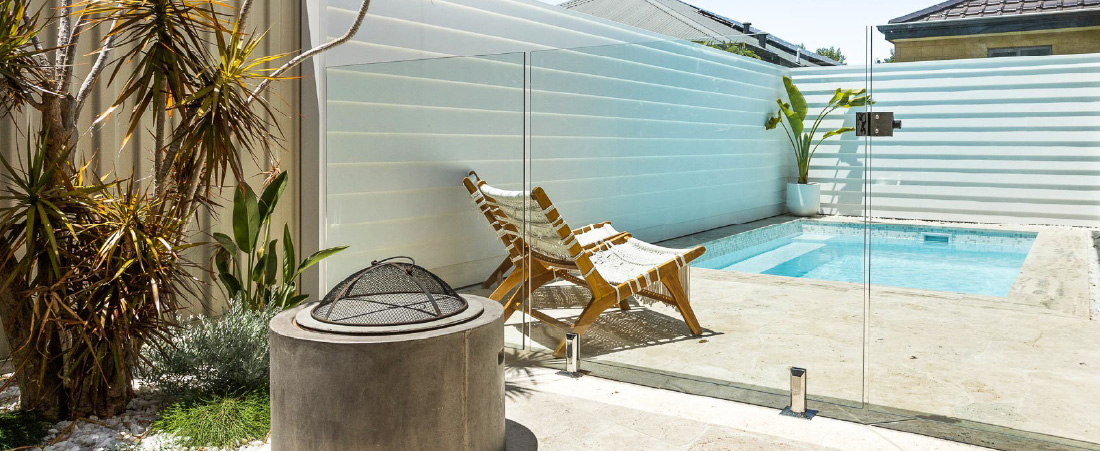
We all dream of owning a house that is not just a place to live, but a haven of relaxation and entertainment. One feature that can significantly enhance your home’s appeal and functionality is a well-designed swimming pool. Among the many options available, fibreglass pools stand out due to their unique advantages. Here are a few compelling reasons why investing in a fibreglass pool is a decision you are unlikely to regret.
Let’s explore more
Durability and Strength
Fibreglass pools are not only incredibly durable but also designed to withstand the test of time and weather. With their exceptional strength and resilience, they offer a reliable and long-lasting swimming pool solution. Unlike concrete pools, which can be prone to cracking in fluctuating temperatures, fibreglass pools are known for their flexibility and ability to adapt well to ground movement. This makes them an ideal choice, especially when considering the unpredictable nature of the British weather. Whether it’s a hot summer day or a chilly winter afternoon, a fibreglass pool will provide a solid and reliable swimming experience for years to come.
Low Maintenance
Fibreglass pools are highly sought after for their non-porous nature, which means they are exceptionally resistant to algae and bacteria growth, unlike other types of pools. This remarkable feature not only ensures a cleaner and safer swimming environment but also reduces the need for frequent cleaning and chemical treatments. Consequently, you can enjoy significant savings in terms of both time and money in the long run. With a fibreglass pool, you can relax and indulge in endless hours of crystal-clear water without worrying about the hassle of maintenance.
Quick Installation
While traditional concrete pools can take weeks to months to install, a fibreglass pool offers a faster solution, with installation typically completed within just a few days. This shorter installation time translates to minimal disruption to your daily routine and allows you to enjoy your new oasis sooner. With a fibreglass pool, you can quickly transform your backyard into a relaxing paradise, creating lasting memories with family and friends.
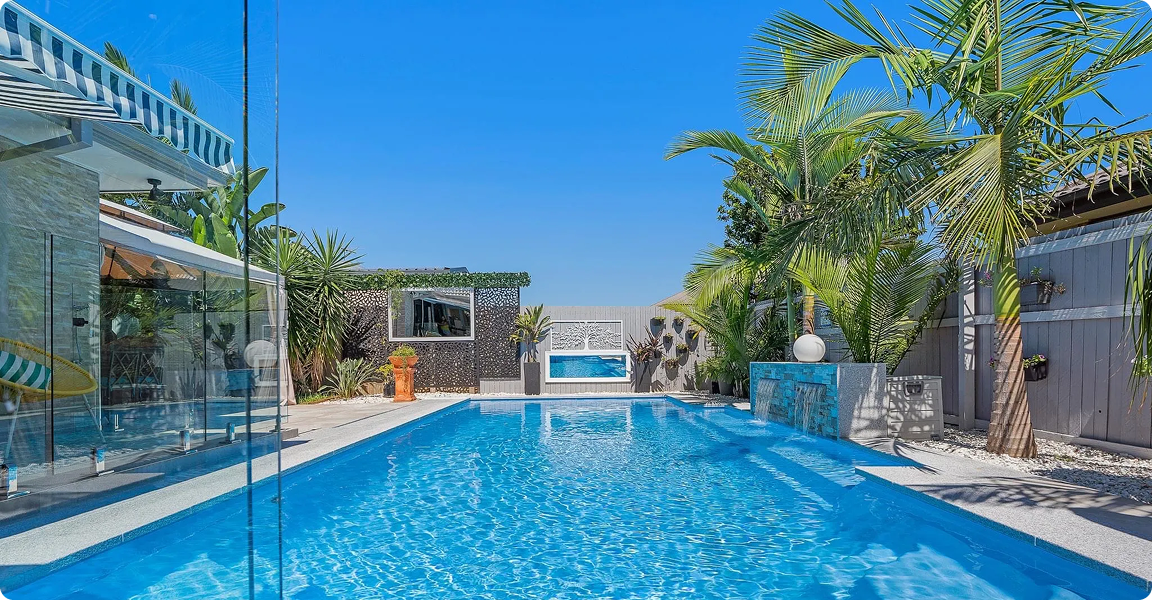
If your pool is not installed correctly, it can lead to a range of problems, from cracks and leaks to structural instability. This can not only impact the quality of your pool but also void any warranty that you may have.
One of the biggest disadvantages of fibreglass pools is that they are prefabricated. This means that they are made in a factory and then shipped to your home, which can be very expensive. Additionally, because they are mass-produced, they often lack the customizability and uniqueness of other types of pools.
One potential disadvantage of fibreglass pools is that they can be damaged by sun exposure. The UV rays from the sun can cause the topcoat to start peeling, which can then lead to cracking and other forms of damage.
One of the main disadvantages of fibreglass pools is the limited number of shapes and designs that are available. Fibreglass pools are only available in a handful of standardized shapes. This can make it difficult to find a pool that perfectly suits your needs.
There is one potential downside to consider: fibreglass pools cannot be installed without access to heavy equipment. This means that if you have a small backyard or live in an apartment, a fibreglass pool may not be the best option.
Concrete Swimming Pools
Concrete pools are built to last. They are constructed with a solid concrete shell that is reinforced with steel rebar, making them far more durable than above-ground or vinyl liner pools.
Concrete pools are a popular choice for many homeowners due to their durability and long lifespan. Made from a mixture of cement, sand, gravel, and water, concrete is one of the most stable materials available. This makes it an ideal choice for pool construction, as concrete pools can last for many years with proper care.
A concrete pool is a great choice for those who want complete customisation when it comes to their backyard oasis. A concrete pool can be designed to any specifications, to fit any space, whether it’s a small backyard or a sprawling estate. Concrete pools offer endless possibilities when it comes to design and decoration.
Low maintenance. Concrete pools are durable and low-maintenance, requiring only occasional cleaning and minor repairs.
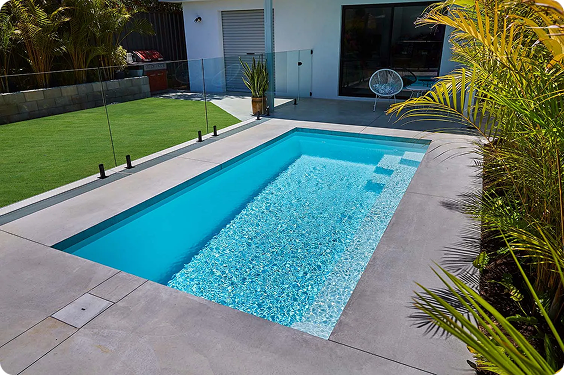
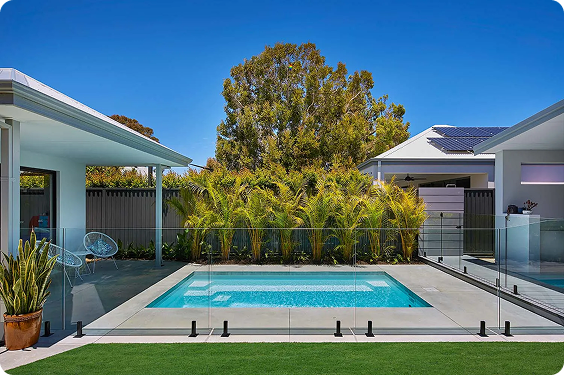
They can also be quite expensive to install. The cost of a concrete pool varies depending on the size and design, but it is typically more expensive than other types of pools.
While it is possible to install a concrete pool yourself, it is generally not recommended. Not only is the process of excavation and poured concrete extremely labor-intensive, but it also requires a high level of expertise. Without professional assistance, it is easy to make mistakes that can weaken the structure of the pool or cause leaks. For all these reasons, it is generally best to leave the installation of a concrete pool to the professionals.
Concrete pool decks can be difficult to repair if they become damaged. Cracks, chips, and stains can all mar the surface of the deck, and it can be expensive to hire a professional to make repairs. In some cases, it may be necessary to replace the entire deck.
One downside is that they require more chemicals to maintain water quality. This is because concrete is a porous material, and therefore more likely to allow algae and bacteria to grow.