Top Myths About Fibreglass Pools Debunked
Concrete or Fibreglass Pool: Which is Right for You? Wondering whether a concrete or fibreglass pool is right for you? This article compares the two types of pools, so you can make an informed decision.
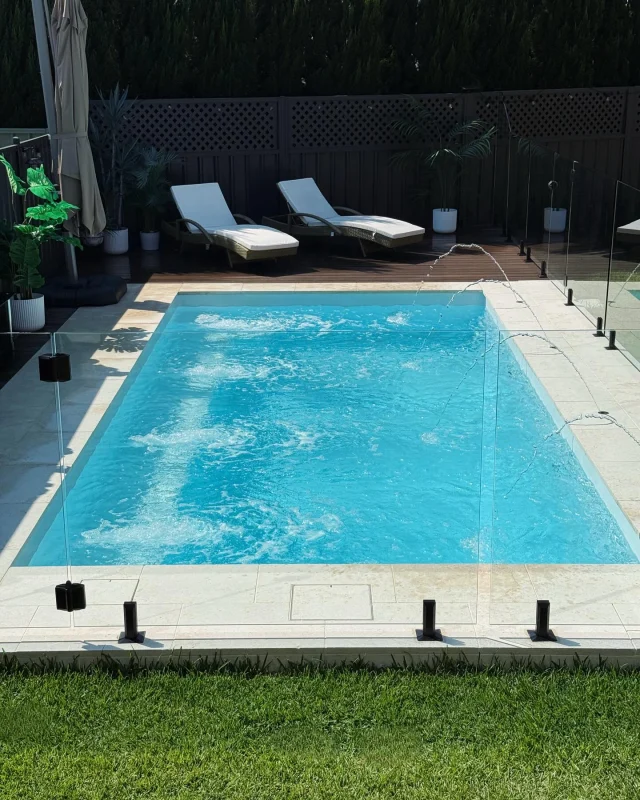
If you’re considering installing a swimming pool in your backyard, the first decision you’ll need to make is whether to go with a concrete or fibreglass pool. Both have their pros and cons, which we’ll outline for you in this article. So, which one is right for you? Keep reading to find out!
Fibreglass Swimming Pools
If you’re looking for a fast and efficient way to install a pool, fibreglass is the way to go. Fibreglass pools are made from a mould, which means they can be installed quickly and with minimal disruption. Plus, there’s no need for a concrete base, so you can start using your pool sooner.
Fibreglass pools offer a great balance between price and quality. In general, fibreglass pools are less expensive than concrete or vinyl pools.
Fibreglass pools can help to reduce the maintenance needs, as they are smoother and less porous than concrete pools. This means that there are fewer places for dirt and grime to build up, and the water is less likely to become cloudy. As a result, fibreglass pools are easier to keep clean, saving you time and effort in the long run.
Fiberglass pools are strong and durable, and they resists fading and staining. In fact, many fiberglass pool owners enjoy their pools for 20 years or more.
Fibreglass surface is smooth on the feet and skin, making it more comfortable to swim in. The smooth surface also helps to prevent dirt and debris from accumulating in the pool, making it easier to keep clean.
Fibreglass pools are made in a controlled environment, using only the highest quality materials. This results in a finished product that is highly durable and long-lasting.
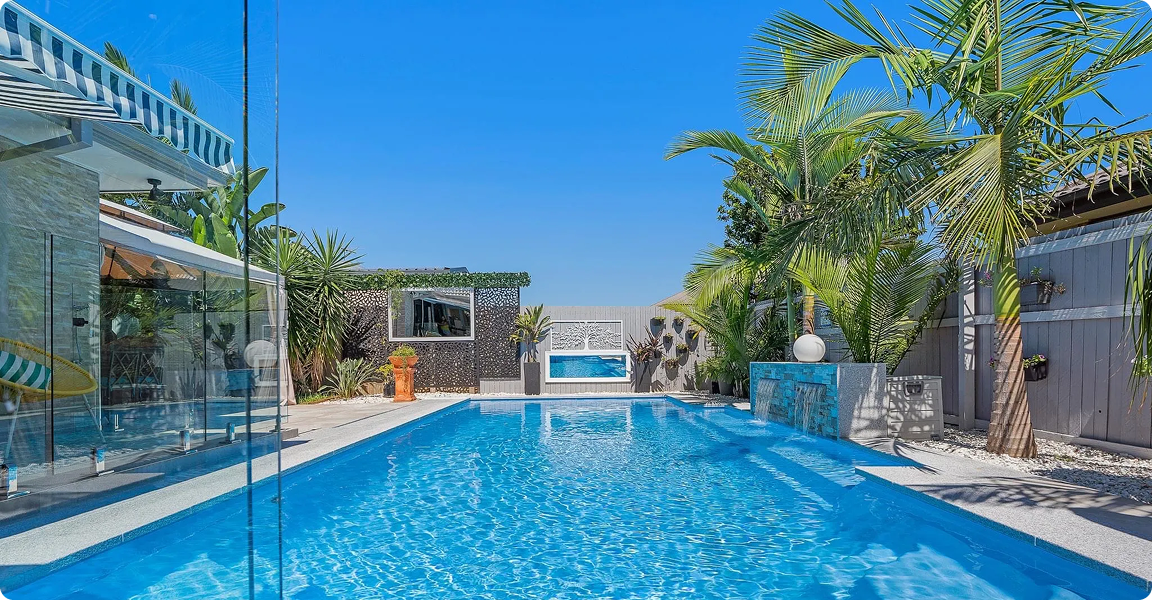
If your pool is not installed correctly, it can lead to a range of problems, from cracks and leaks to structural instability. This can not only impact the quality of your pool but also void any warranty that you may have.
One of the biggest disadvantages of fibreglass pools is that they are prefabricated. This means that they are made in a factory and then shipped to your home, which can be very expensive. Additionally, because they are mass-produced, they often lack the customizability and uniqueness of other types of pools.
One potential disadvantage of fibreglass pools is that they can be damaged by sun exposure. The UV rays from the sun can cause the topcoat to start peeling, which can then lead to cracking and other forms of damage.
One of the main disadvantages of fibreglass pools is the limited number of shapes and designs that are available. Fibreglass pools are only available in a handful of standardized shapes. This can make it difficult to find a pool that perfectly suits your needs.
There is one potential downside to consider: fibreglass pools cannot be installed without access to heavy equipment. This means that if you have a small backyard or live in an apartment, a fibreglass pool may not be the best option.
Concrete Swimming Pools
Concrete pools are built to last. They are constructed with a solid concrete shell that is reinforced with steel rebar, making them far more durable than above-ground or vinyl liner pools.
Concrete pools are a popular choice for many homeowners due to their durability and long lifespan. Made from a mixture of cement, sand, gravel, and water, concrete is one of the most stable materials available. This makes it an ideal choice for pool construction, as concrete pools can last for many years with proper care.
A concrete pool is a great choice for those who want complete customisation when it comes to their backyard oasis. A concrete pool can be designed to any specifications, to fit any space, whether it’s a small backyard or a sprawling estate. Concrete pools offer endless possibilities when it comes to design and decoration.
Low maintenance. Concrete pools are durable and low-maintenance, requiring only occasional cleaning and minor repairs.
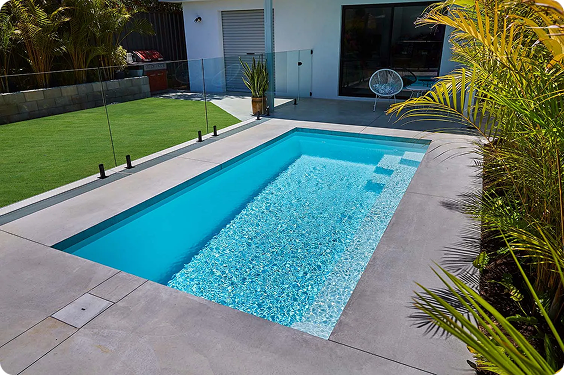
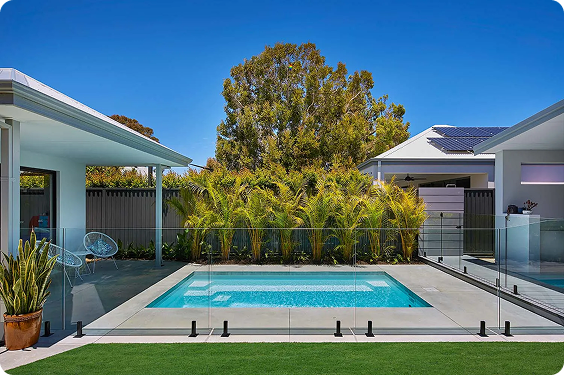
They can also be quite expensive to install. The cost of a concrete pool varies depending on the size and design, but it is typically more expensive than other types of pools.
While it is possible to install a concrete pool yourself, it is generally not recommended. Not only is the process of excavation and poured concrete extremely labor-intensive, but it also requires a high level of expertise. Without professional assistance, it is easy to make mistakes that can weaken the structure of the pool or cause leaks. For all these reasons, it is generally best to leave the installation of a concrete pool to the professionals.
Concrete pool decks can be difficult to repair if they become damaged. Cracks, chips, and stains can all mar the surface of the deck, and it can be expensive to hire a professional to make repairs. In some cases, it may be necessary to replace the entire deck.
One downside is that they require more chemicals to maintain water quality. This is because concrete is a porous material, and therefore more likely to allow algae and bacteria to grow.